Summer on the Sicilian coast is genuinely hot, with strong midday sun and little shade along the waterfront. City sightseeing is best front-loaded into the morning, with the hottest hours reserved for shade, lunch or a cool interior.
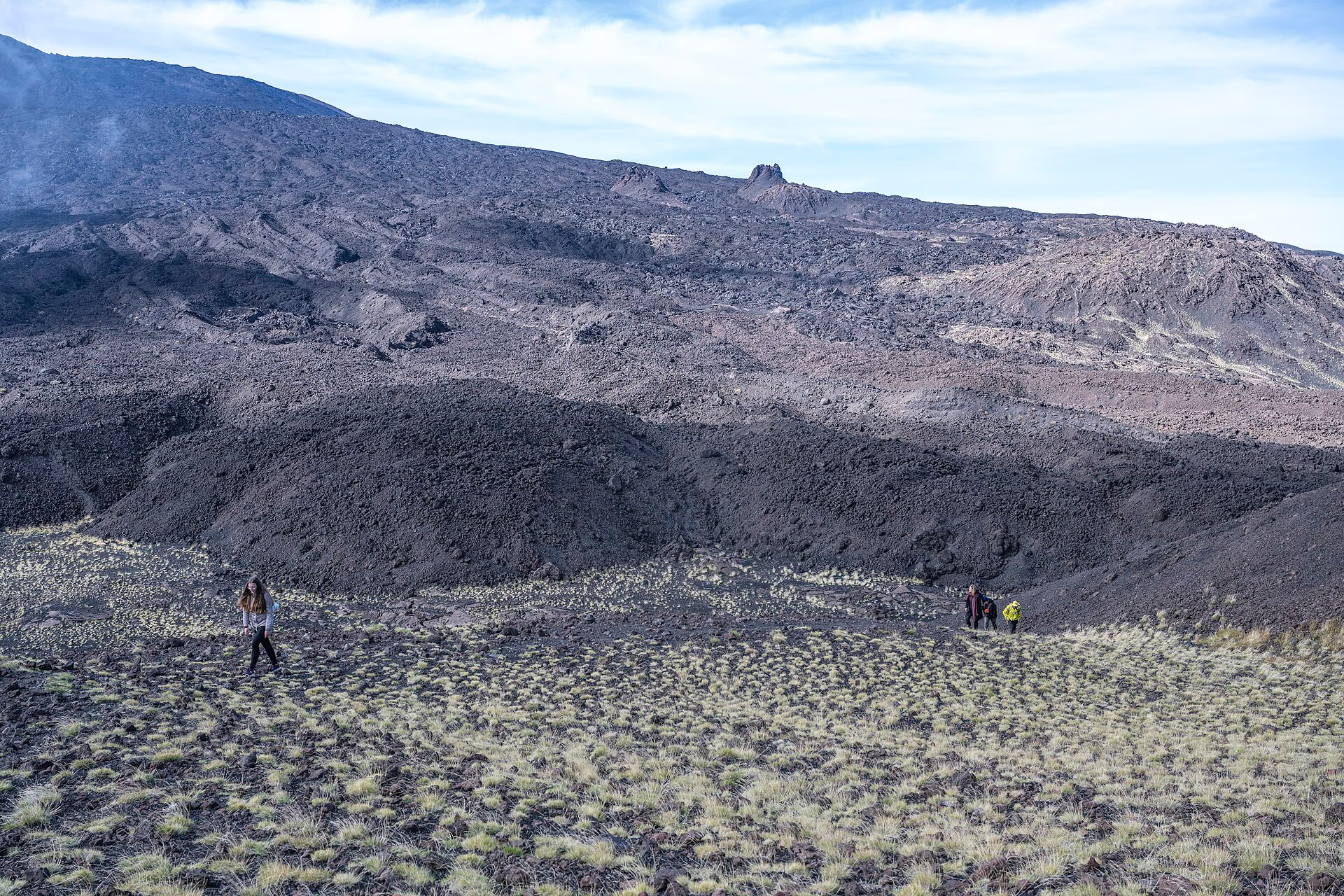
Etna is a different climate entirely. The crater areas are much cooler than the port, temperatures can drop sharply, wind and cloud can arrive quickly, and visibility is never guaranteed. Layers and closed footwear are essential even on a warm coastal morning.
Etna's weather also affects access, not just comfort. Conditions can restrict or change the accessible areas at short notice, and no responsible plan should promise a particular view. Treat the volcano as spectacular but conditional.
Shoulder seasons often give the most comfortable balance — warm enough for the coast, kinder for walking and touring. Whatever the month, carry water, sun protection and a warm layer if Etna is on your itinerary.
Highlights
- Front-load city sightseeing into cooler mornings
- Etna far cooler and more changeable than the coast
- Weather can affect Etna access, not only comfort
- Shoulder seasons often the most comfortable
Tips
- Carry water and sun protection year-round in summer
- Pack layers and closed footwear for any Etna day
- Never assume a fixed Etna view — conditions decide